
Archaeologists believe they have identified New Testament village of Bethsaida
Excavations at el-Araj on the Sea of Galilee have uncovered a Byzantine basilica, first-century dwellings, and an inscription linking the site to the apostle Peter.
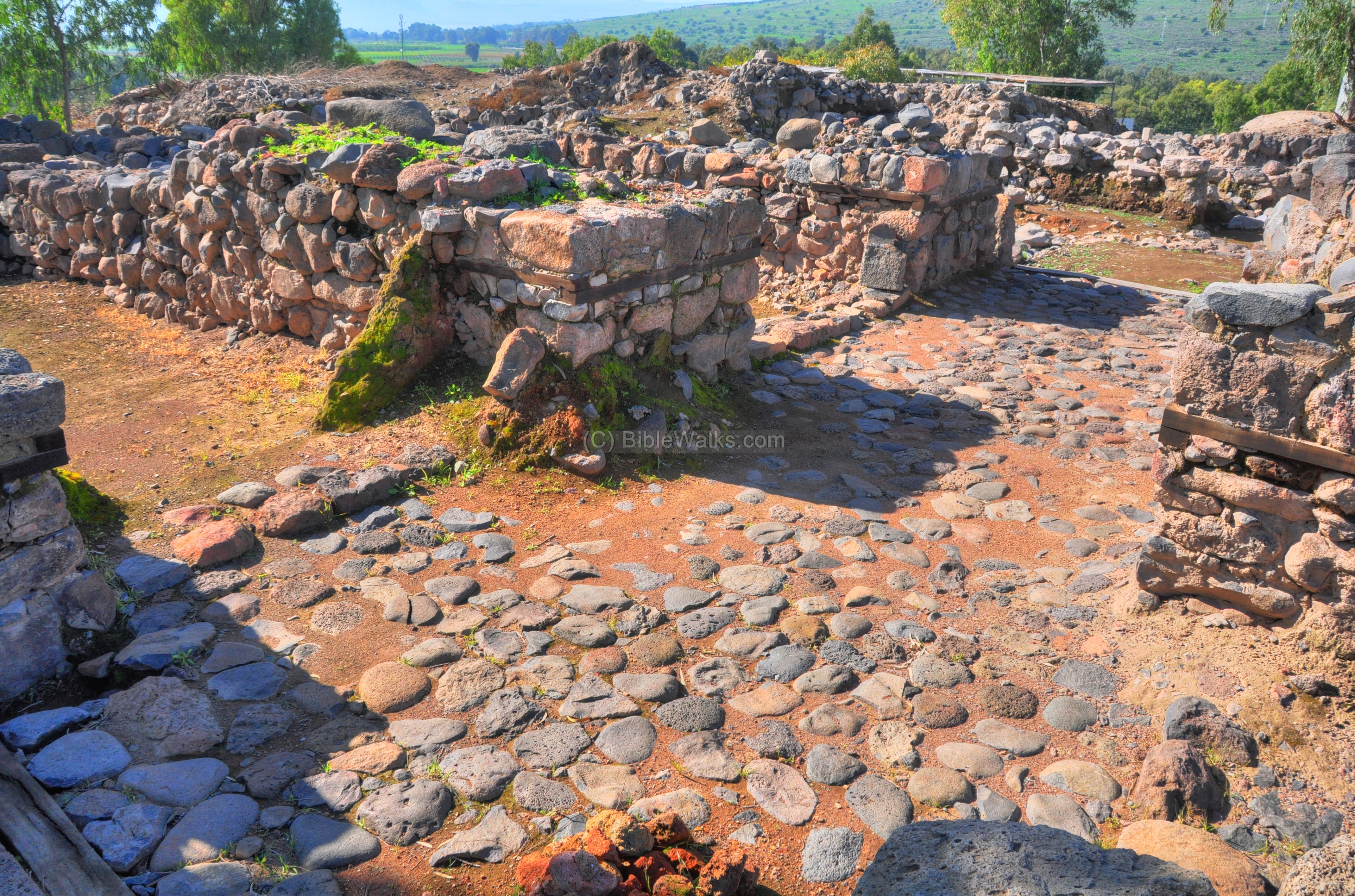
A team of archaeologists says it may have identified the ancient village of Bethsaida, a location mentioned in the New Testament as the setting for several of Jesus Christ’s miracles. The site, known as el-Araj, lies on the northeastern shore of the Sea of Galilee in modern-day Israel.
Researchers began digging at el-Araj in 2016, led by Professor Mordechai Aviam of the Kinneret Institute for Galilean Archeology at Kinneret College. The Museum of the Bible in Washington, D.C., became a sponsor of the project in 2021, joining Professor Aviam and Professor R. Steven Notley of Nyack College in New York.
Among the most notable finds are the remains of a Byzantine basilica, a first-century house beneath the church’s foundations, and fishing weights. In 2022, excavators uncovered a mosaic inscription inside the basilica floor that refers to the apostle Peter as “the chief of the apostles and keeper of the keys of heaven.” The Museum of the Bible called the inscription the oldest archaeological evidence for the Christian tradition of Peter’s primacy.
Faithful news, every morning.
Biblical truth. Timely stories. Encouragement for your day.
Free, in your inbox. No spam, ever.
Your word is a lamp to my feet and a light to my path.
Psalm 119:105
The team also found evidence of Jewish life at the site, including limestone dishes typical of Jewish communities and Herodian lamps made in Jerusalem before AD 70. In 2025, a vegetation fire exposed additional walls, pottery fragments, and traces of a Roman bath, suggesting a prosperous settlement during the time of Christ.
The Gospels record Bethsaida as the place where Jesus healed a blind man and performed miracles near the Sea of Galilee, including the feeding of the multitudes. The village is also traditionally linked to the apostles Peter, Andrew, and Philip. The historian Josephus Flavius wrote that Herod Philip II elevated Bethsaida to city status and renamed it Julias in honor of the emperor’s wife.
Researchers believe the archaeological evidence aligns with both the Gospel accounts and Josephus’s descriptions of the region during the Roman period.
This article was independently written by Christian Newsline based on the linked reporting.