
Hundreds freed after months in Boko Haram captivity in northeastern Nigeria
More than 360 people kidnapped from a village in Borno state in March have been released from a militant mountain hideout, with conflicting accounts emerging over how the rescue was achieved.
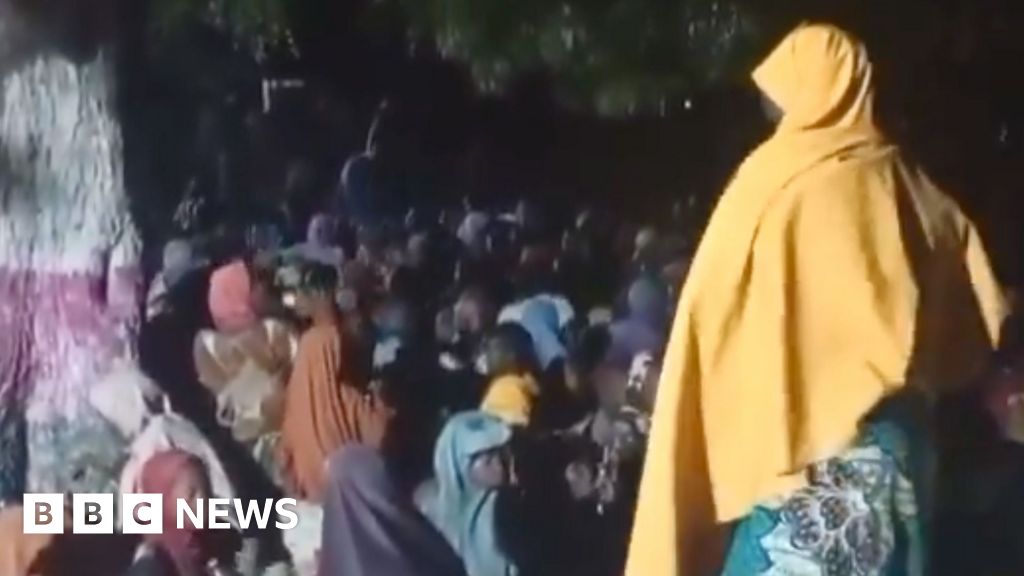
At least 360 individuals taken by Boko Haram fighters from a predominantly Muslim community in Nigeria’s northeastern Borno state have been freed from a remote mountain stronghold, according to authorities. The captives were abducted in early March near the village of Ngoshe, close to the Cameroon border, as residents were reportedly breaking their Ramadan fast.
The Nigerian military claims it conducted a carefully planned, intelligence-led operation that caught the Islamist militants by surprise. Lt-Col Haruna M Sani described the nighttime assault on the Mandara mountain hideout as one of the military’s most significant hostage rescue efforts in the region. He stated that many insurgents fled or surrendered in the face of the troops’ speed and firepower.
However, a local group called the Borno South Youth Initiative disputes the military’s account, saying it negotiated the captives’ unconditional release. Samaila Kaigama, president of the Borno South Youth Alliance, told journalists his organization had been advocating for the hostages and maintaining contact with the militants. He criticized what he called “government boys” for taking credit for their work.
Faithful news, every morning.
Biblical truth. Timely stories. Encouragement for your day.
Free, in your inbox. No spam, ever.
Your word is a lamp to my feet and a light to my path.
Psalm 119:105
The freed captives are receiving medical care, authorities said. In a social media post, Daniel Bwala, a special adviser to President Bola Tinubu, confirmed that two infants died from exhaustion due to the harsh conditions of prolonged captivity. The government, facing widespread criticism over insecurity in Nigeria, commended the troops involved.
Mass kidnappings for ransom have become a common tactic by various armed groups across Nigeria, targeting schools, churches, mosques, and remote villages. Analysts say ransom payments by desperate families, intermediaries, and sometimes state authorities have fueled the abductions. Boko Haram, which began its insurgency in 2009, gained international notoriety in 2014 when it kidnapped more than 200 schoolgirls from Chibok, around 90 of whom remain missing. While the group no longer controls large territories, it and splinter factions remain active and dangerous.
This article was independently written by Christian Newsline based on the linked reporting.