
Several states pass new laws increasing penalties for disrupting church services after Minnesota protest
At least four states have enacted legislation this year making it a crime to interfere with worship services, following a high-profile demonstration inside a Minnesota church that drew widespread condemnation from faith leaders.
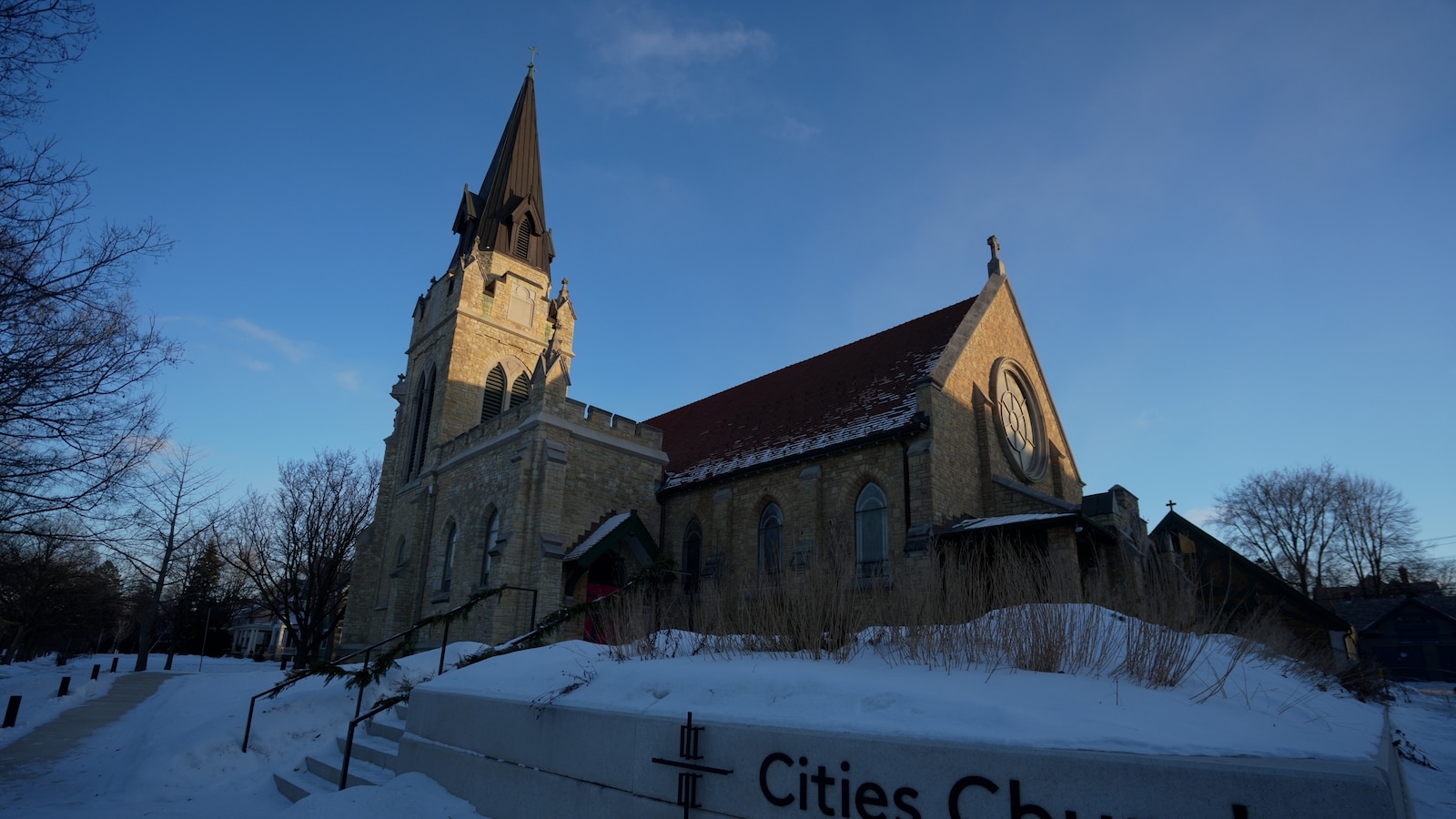
At least four states have adopted new laws this year that make it a crime to disrupt worship services, a direct response to a controversial protest inside a Minnesota church that outraged many religious leaders. The measures, signed into law in Idaho, Louisiana, Oklahoma, and Kansas, aim to provide stronger legal protections for people gathering in sacred spaces.
Republican lawmakers who sponsored most of the bills argue that existing trespassing laws are not sufficient to protect worshippers from harassment and disruption. They say the new laws are needed to prevent escalating confrontations between congregants and protesters, especially as many churches, mosques, and synagogues remain on edge following recent mass shootings and acts of violence targeting religious groups. Idaho state Senator Mark Harris, a Republican who co-sponsored his state’s legislation, said people should be able to attend church peacefully without fear of being berated.
Critics from both parties have warned that the laws could infringe on free speech rights. The details of each state’s law differ, but all make it a crime to interfere with religious assemblies. Penalties can be harsher than those for trespassing, with some states imposing up to a year in prison and fines as high as $10,000 for first offenses. The laws also allow state authorities to prosecute cases even if local officials decline to do so.
Faithful news, every morning.
Biblical truth. Timely stories. Encouragement for your day.
Free, in your inbox. No spam, ever.
Your word is a lamp to my feet and a light to my path.
Psalm 119:105
The push for these laws was sparked by a protest in February at a St. Paul, Minnesota, church service. Thirty-nine people, including two journalists, were charged after they learned that one of the church’s pastors was also an official with U.S. Immigration and Customs Enforcement who oversaw a major immigration operation in the state. Federal prosecutors charged the protesters with conspiracy against religious freedom and interfering with the right of religious freedom; all have pleaded not guilty, and their cases are pending.
Louisiana state Representative Gabe Firment, a Republican, said he was moved to introduce his bill after seeing videos of the Minnesota protest showing frightened children. He argued that while people have a right to protest, they do not have the right to enter a private church and behave disruptively. Oklahoma state Senator Todd Gollihare, also a Republican, wrote his bill after anti-abortion protesters disrupted his own church service last year. His law includes provisions blocking highways within one mile of a service and prohibiting approaching someone to hand them a flyer within 100 feet of a place of worship.
However, some lawmakers have expressed concerns. Oklahoma state Senator Kendal Sacchieri, a Republican colleague of Gollihare, described the law as extreme and worried about the precedent it could set. In Louisiana, Democrats raised objections about mandatory jail time for disrupting services, warning that the law could be applied too broadly—for example, against a congregant who sings loudly during a sermon. The law’s supporters responded that police and judges would have discretion in applying the measure.
Legal challenges are already emerging. The New York Civil Liberties Union has filed a lawsuit against a similar ordinance passed in Nassau County, New York, arguing there is no history of residents facing intimidation or harassment outside places of worship in the area. Kevin Goldberg, a vice president at the Freedom Forum, which advocates for First Amendment rights, said that if the laws are challenged in court, governments must provide evidence of an actual threat rather than speculation. Similar bills have been introduced in at least seven other states and in Congress this year.
(Picture courtesy of ABC News)
This article was independently written by Christian Newsline based on the linked reporting.