
U.S. offers $100 million in Cuba aid, restricts distribution to Catholic / faith-based groups only
Secretary of State Marco Rubio announced the humanitarian package on May 13, 2026, barring the Cuban government from managing the funds and directing them through Catholic and other religious organizations.
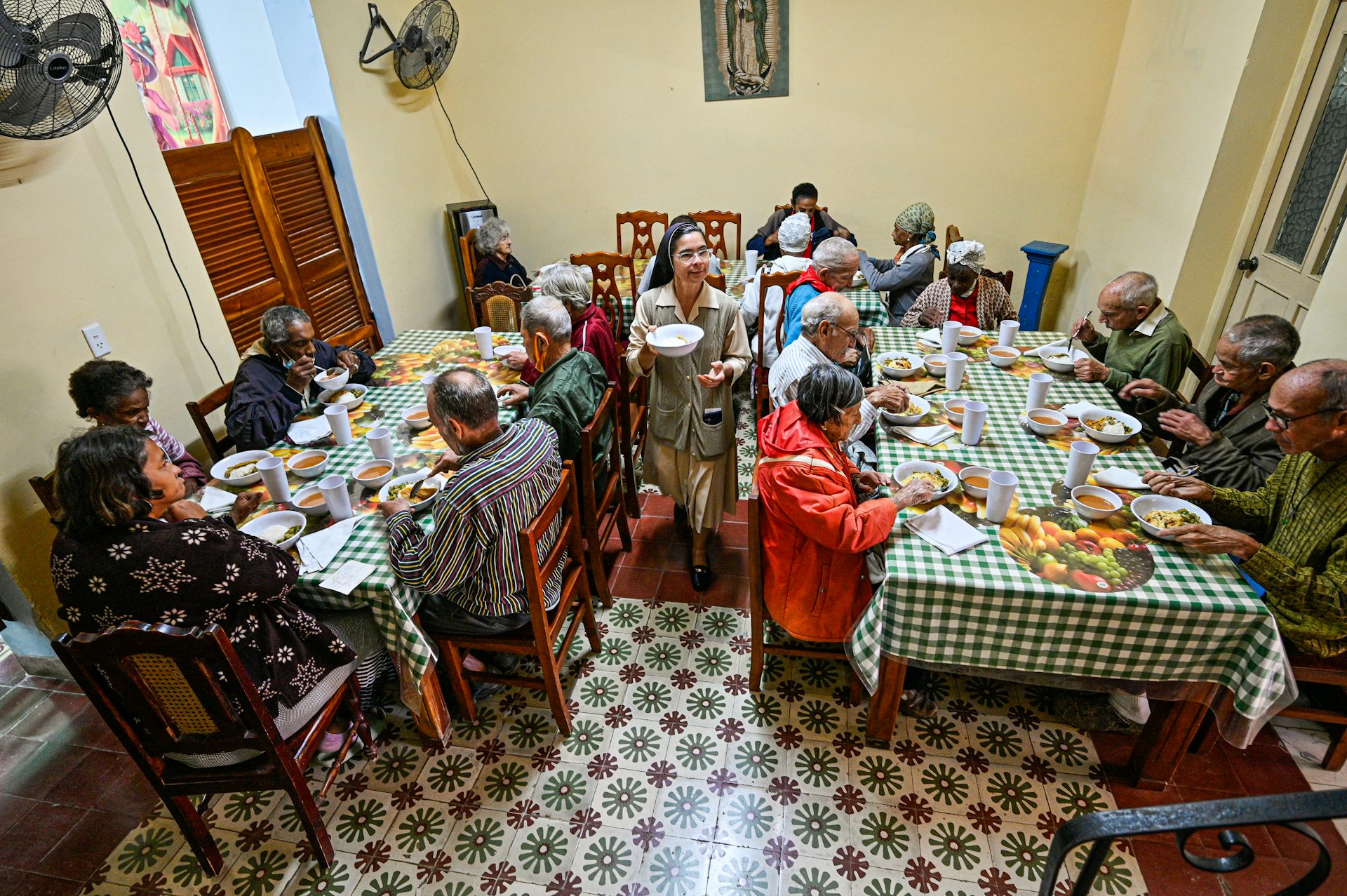
The United States has pledged $100 million in humanitarian assistance for Cuba, but the Trump administration is requiring that only faith-based and humanitarian organizations—not the Cuban government or its military—distribute the aid. Secretary of State Marco Rubio made the announcement on May 13, 2026, and followed up a week later with a video address to the Cuban people on their Independence Day, blaming the island’s economic woes and energy shortages on its own leadership.
Cuban President Miguel Díaz-Canel said the country would accept the offer “without ingratitude,” while also criticizing the conditions and renewing calls for the U.S. to ease or lift its decades-long embargo. The timing of the announcement was complicated by the simultaneous U.S. indictment of former Cuban President Raúl Castro, a key figure in the 1959 revolution that brought his brother Fidel Castro to power.
Scholars and former humanitarian workers note that faith-based networks, particularly the Catholic Church, have long served as critical channels for aid in Cuba. After Hurricane Melissa struck the island’s eastern provinces in 2025, the U.S. sent smaller shipments of aid through the church. The Catholic Church maintains one of the strongest national networks outside the government, and Protestant and evangelical groups—including Baptist and Assemblies of God communities—also operate extensive networks across the country.
Faithful news, every morning.
Biblical truth. Timely stories. Encouragement for your day.
Free, in your inbox. No spam, ever.
Your word is a lamp to my feet and a light to my path.
Psalm 119:105
Many of these groups function through house churches, which emerged after 1992 when constitutional changes allowed new congregations but restricted them to private homes. These house churches are deeply embedded in their communities and often reach rural areas and vulnerable families that formal systems struggle to serve. Delivering aid beyond Havana into provinces like Holguín or Santiago de Cuba requires trucks, fuel, warehouses, and local partners—resources that are in short supply as the country faces a severe fuel crisis.
Cuba’s current hardships stem partly from the loss of discounted oil from Venezuela, which ended in January 2026 after the U.S. ousted President Nicolás Maduro and imposed an oil blockade on the island. Without fuel, the government cannot fully operate power plants, buses, water systems, hospitals, schools, or agriculture. Many Cubans endure frequent, extended blackouts and face growing food insecurity and reduced access to healthcare.
The aid arrangement may appeal to many Cuban Americans who support humanitarian assistance but want to ensure it reaches ordinary citizens without strengthening the Cuban government. Those with experience in disaster response in Cuba say that if the aid is delivered through trusted and transparent channels, it could save lives and reduce suffering—but if it is never delivered, the most vulnerable will bear the heaviest cost.
(Picture courtesy of AFP)
This article was independently written by Christian Newsline based on the linked reporting.